A weekly online group of no more than five, taught live by a qualified secondary maths teacher. We will cover new content they might not have seen before and get them interested and challenged again.
Thursdays 6 to 7pm Live Online Lesson · Maximum 5 Students · Half-Term Blocks, England Term Time
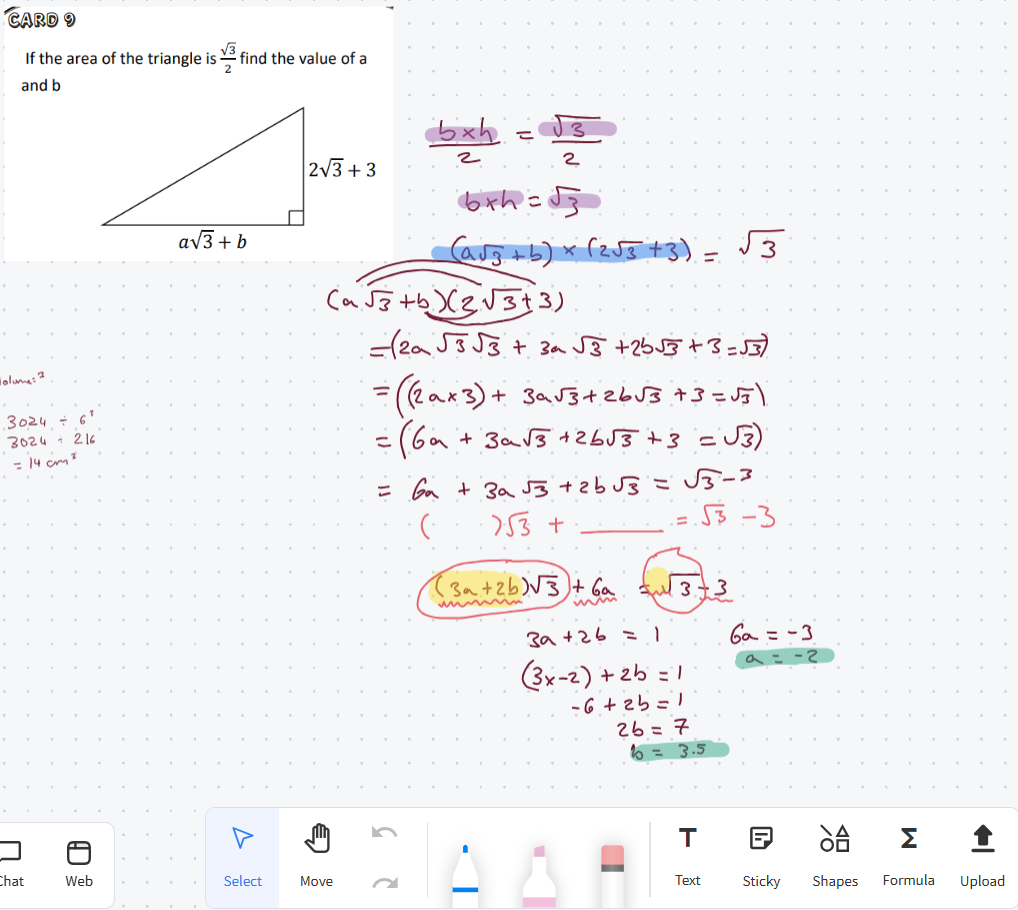
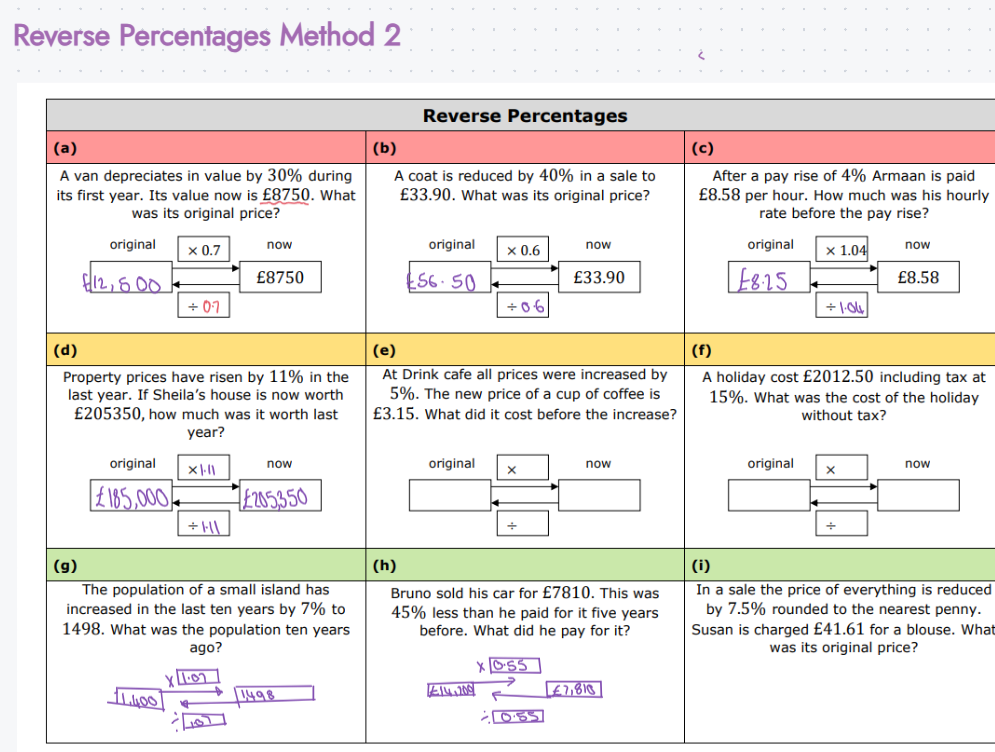
Lessons run on Pencil Spaces, a shared digital classroom rather than a video call.
If your child sailed through primary maths and now finds Year 7 a bit slow or boring, you are not alone. This group is for you if:
And who it is not for. If your child is still shoring up the basics, this is the wrong group and it would do more harm than good. Schools spend Year 7 consolidating for a good reason. If that is where your child is, one to one lessons are the better route and I will tell you so.
A lesson taught live on a shared interactive whiteboard, so I see your child's working as they do it rather than just the final answer. Very interactive, not just sitting and listening.
We will cover new or more difficult material they haven't seen before, or at a difficulty they are not being exposed to at school.
Algebra is so important to their long term success in maths, and this group is designed to start giving them fluency with algebra early.
I find that 5 students is a good amount, enough that they can bounce ideas off each other, but few enough that they still get individual attention.
This group is not designed for success in Year 7 exams. The focus is much bigger and more important than that: they are developing skills that will help them succeed later on at GCSE and A Level. They are going to find joy in trying new and difficult topics.
This group is designed to push students beyond what they normally do in Year 7. To make sure your child is right for the group we will always have a talk together first, and do an initial trial lesson to see if the fit is right.
Amy
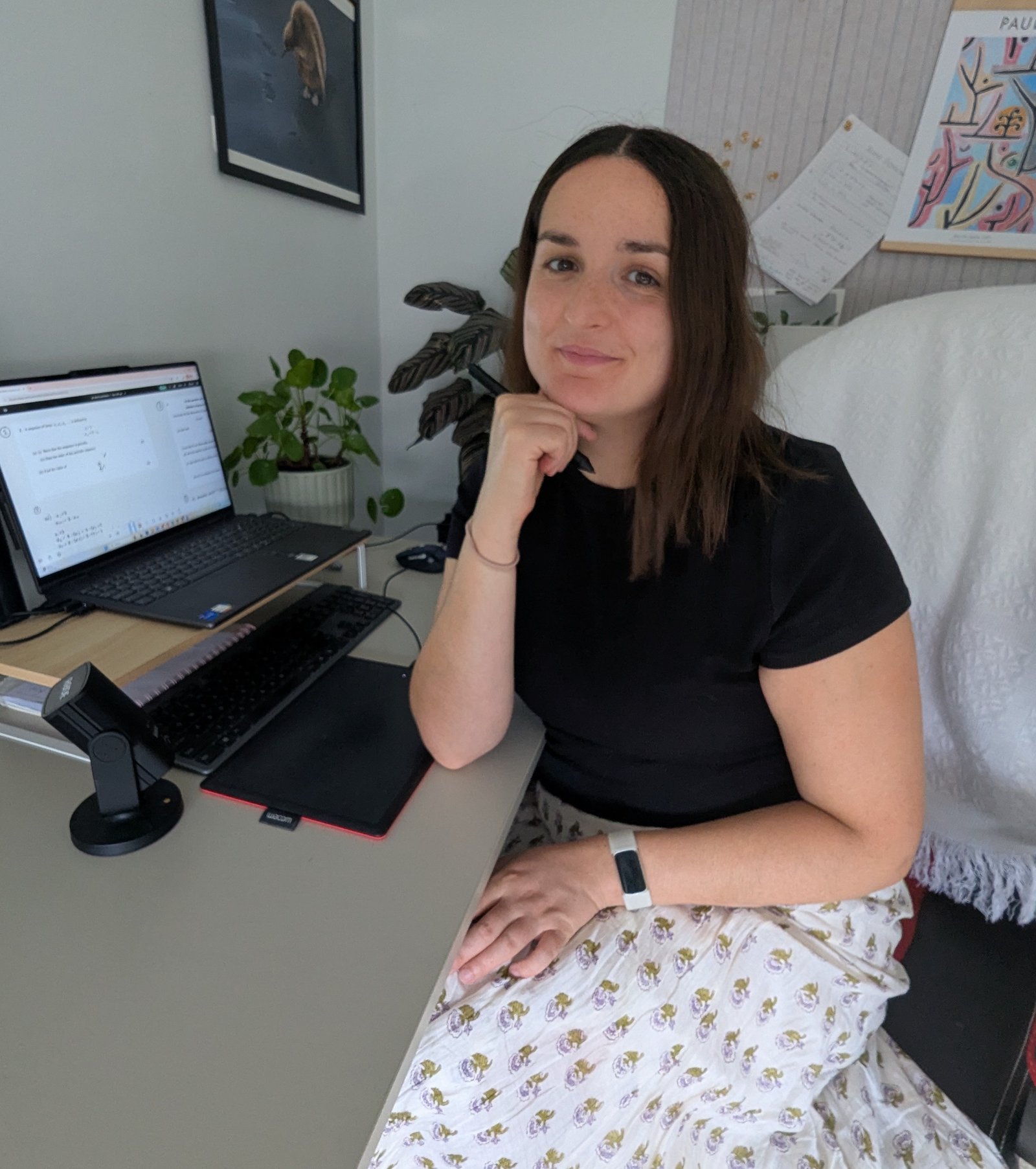
Qualified Teacher • 12 Years in the Classroom
I built this group because of a pattern I saw in every school I worked in. The able Year 7s were always the easiest students to leave alone: they were fine, they were getting everything right, and there were many other children in the room who needed me more.
Unfortunately, Year 7 and 8 can sometimes feel like the wasted years for these children, and by the time Year 9 rolls around they have lost their edge and their enjoyment.
Your child enjoyed maths at primary school, even if it often felt a bit easy. They scored well in tests, their teachers said good things, and there was real excitement about starting secondary school and finally getting into something new. Harder than Year 6 was simply what everyone expected.
Then Year 7 started, and I imagine your child worked out fairly quickly that a lot of it was a repeat. Column addition and subtraction, short division, the topics they had already mastered in Year 5 or earlier. If they are lucky their teacher hands them extension questions to hold the boredom off, but that is a great deal to ask of one teacher with thirty students in front of them.
If your child is the able one who already thrived in Year 6, Year 7 can feel like being put on pause.
I do understand why schools teach it this way, and the students who arrive without secure foundations need that year. But the ones who already had them rarely get what they need, and this is the year a lot of able children quietly decide that maths is boring. In every other subject they are learning something new. In maths they are going back over old ground, and the interest drains away faster than most parents expect.
A lot of what we do is rooted in algebra, and the rest is chosen to build the kind of reasoning that makes algebra land properly.
Before I sign your child up for this it would be great if we could have a conversation, on the phone, on a video call or on WhatsApp, so we can discuss whether this group is suited to your child
£175 to £280 per half term
Works out to £35 per session. A half term is 5 to 8 sessions, which is where the range comes from.
Honestly, probably a bit, and I would rather say that than pretend otherwise. However, hard algebra usually arrives in Year 9 or 10, and students are asked to learn it from scratch and master the hardest questions on it at the same time, while nine other GCSEs compete for their attention. A child who arrives already fluent skips that stage entirely and spends the time pushing to the top of the paper instead. Set against that, a handful of familiar lessons in Year 8 is a small price to pay for this longer term gain.
If they miss a lesson they will be provided with a recording of the session.
Yes, if there is a place free. You are billed pro-rata for the sessions that are left.
For this particular child, often yes. An able Year 7 who is bored does not need remedial attention, they need harder material and other children to bounce off. If your child has actual gaps to close, one to one might be the better route.
Then I let you know before you pay for anything. This group is not for students who are still shoring up the basics, and pushing a child who is not secure would do more harm than good. Schools repeat Year 6 material for a good reason: most students genuinely need that year.
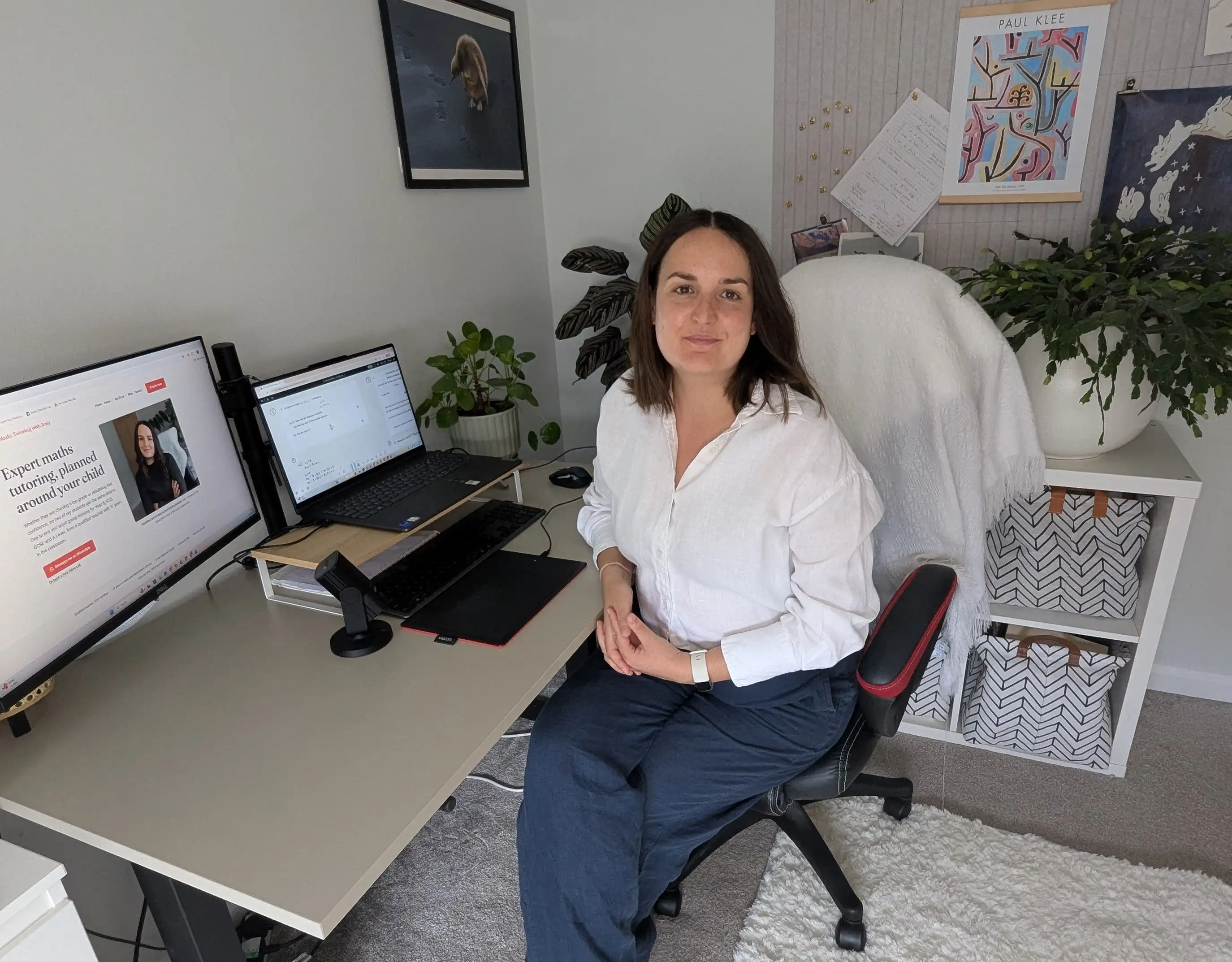
A laptop or tablet with a working microphone, and a quiet spot to sit for the hour. Lessons run on Pencil Spaces, a shared digital classroom including a video call, so your child writes on the same board I do. A cheap graphics tablet or an iPad is essential for writing on the screen.
Message me and tell me a bit about your child. We will work out together whether the group is right, and I will tell you honestly if it is not.
Thursdays 6 to 7pm · Maximum 5 students · September start, but join any time